
Banarasi Sarees
Products in Banarasi Sarees
-
Regular price $ 815.00Regular priceUnit price per
 Maroon
-
Regular price $ 603.00Regular priceUnit price per
 Turquoise
-
Regular price $ 493.00Regular priceUnit price per
 Red Gold
-
Regular price $ 375.00Regular priceUnit price per
 Hot Pink
-
Regular price $ 1,225.00Regular priceUnit price per
 Ivory & Red
-
Regular price $ 675.00Regular priceUnit price per
 Red
-
Regular price $ 375.00Regular priceUnit price per
 Hot Pink
-
Regular price $ 1,330.00Regular priceUnit price per
 Turquoise
-
Regular price $ 1,340.00Regular priceUnit price per
 Yellow
-
Regular price $ 375.00Regular priceUnit price per
 Firozi
-
Regular price $ 495.00Regular priceUnit price per
 Rust Orange
-
Regular price $ 665.00Regular priceUnit price per
 Teal
-
Regular price $ 348.00Regular priceUnit price per
 Red
-
Regular price $ 750.00Regular priceUnit price per
 Nion Green
-
Regular price $ 665.00Regular priceUnit price per
-
Regular price $ 835.00Regular priceUnit price per
 Royal Blue

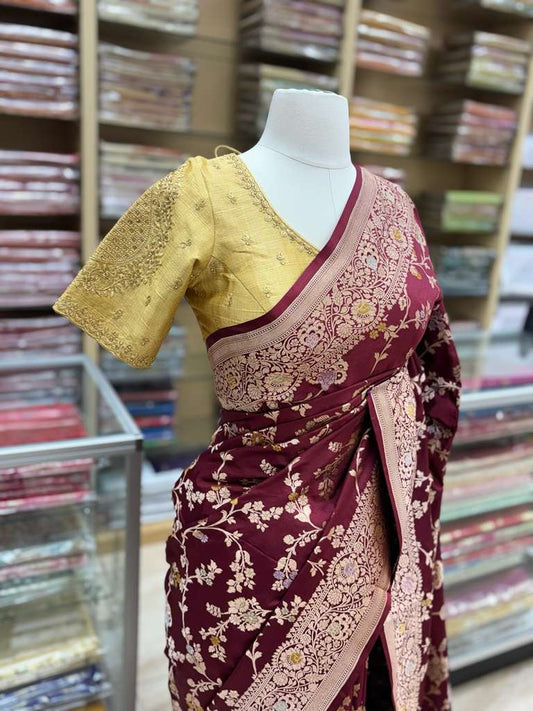


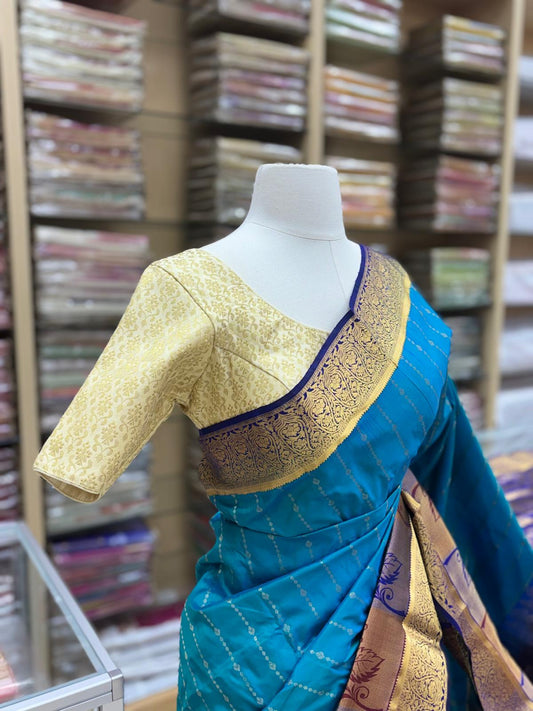


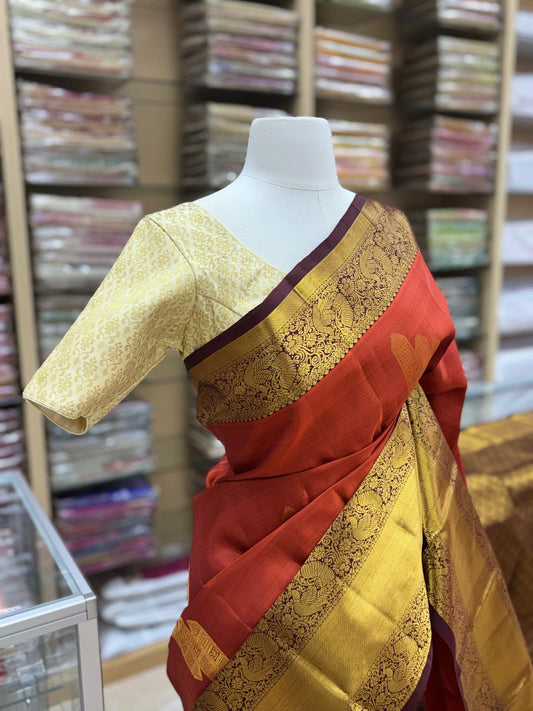



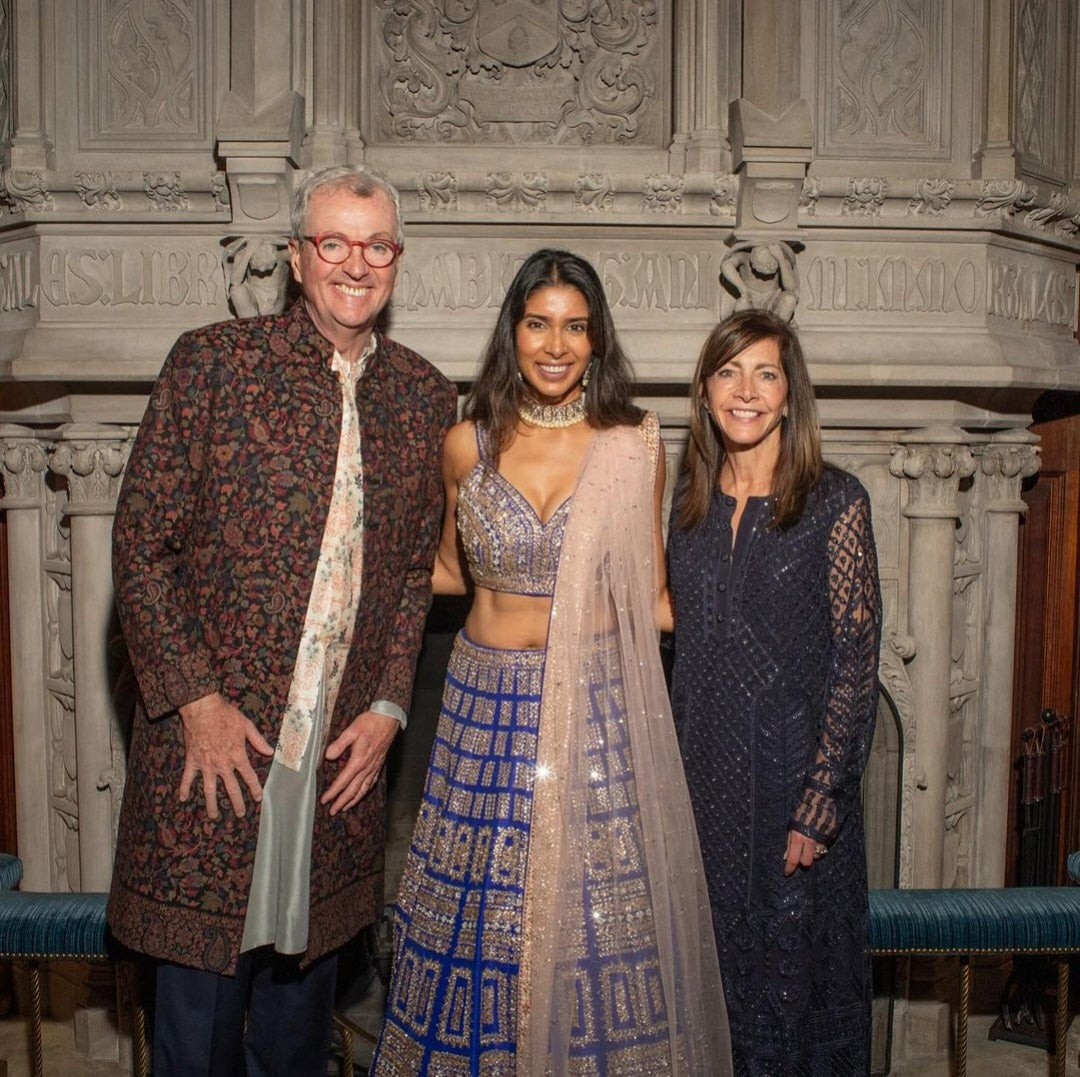
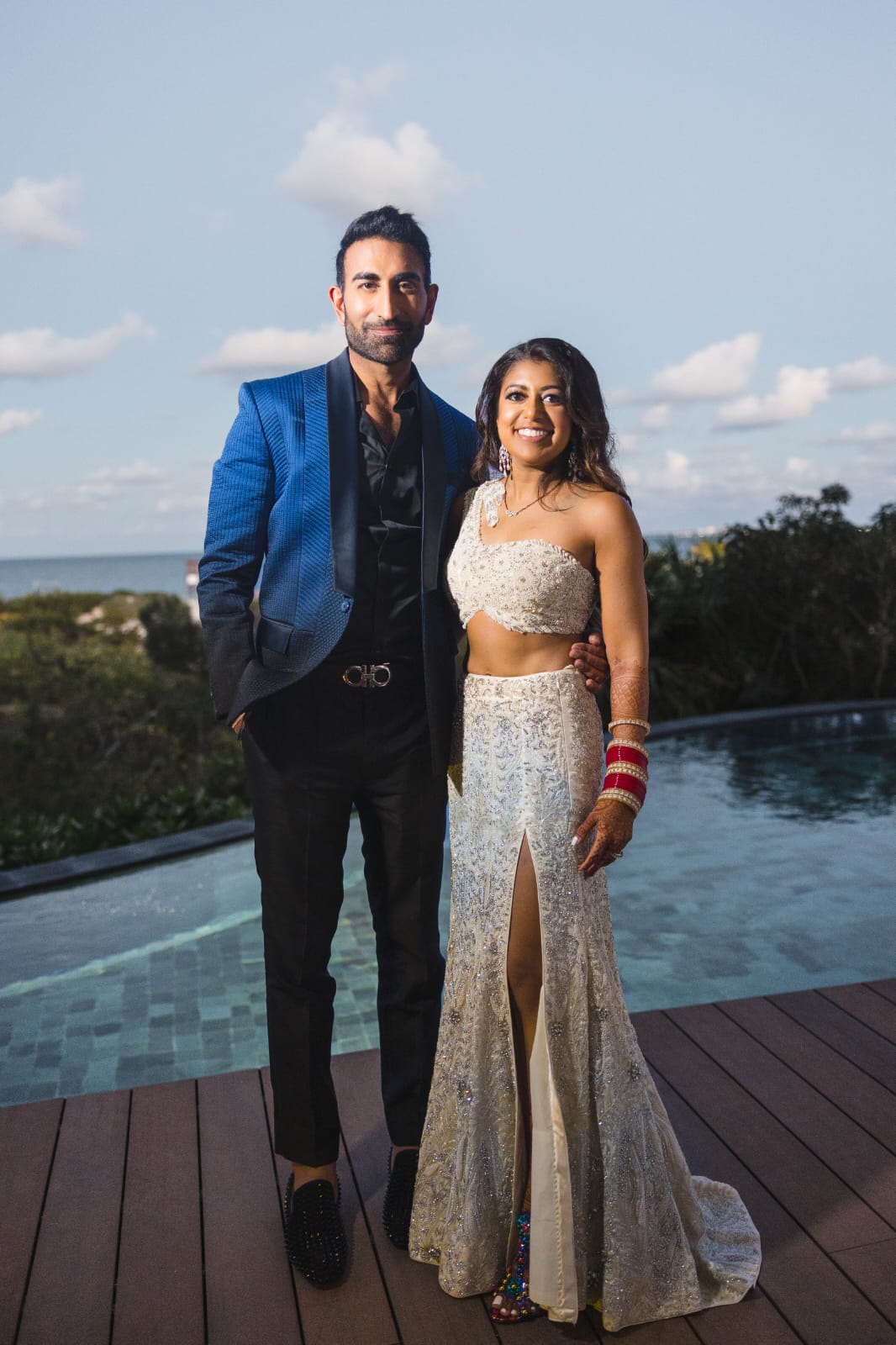

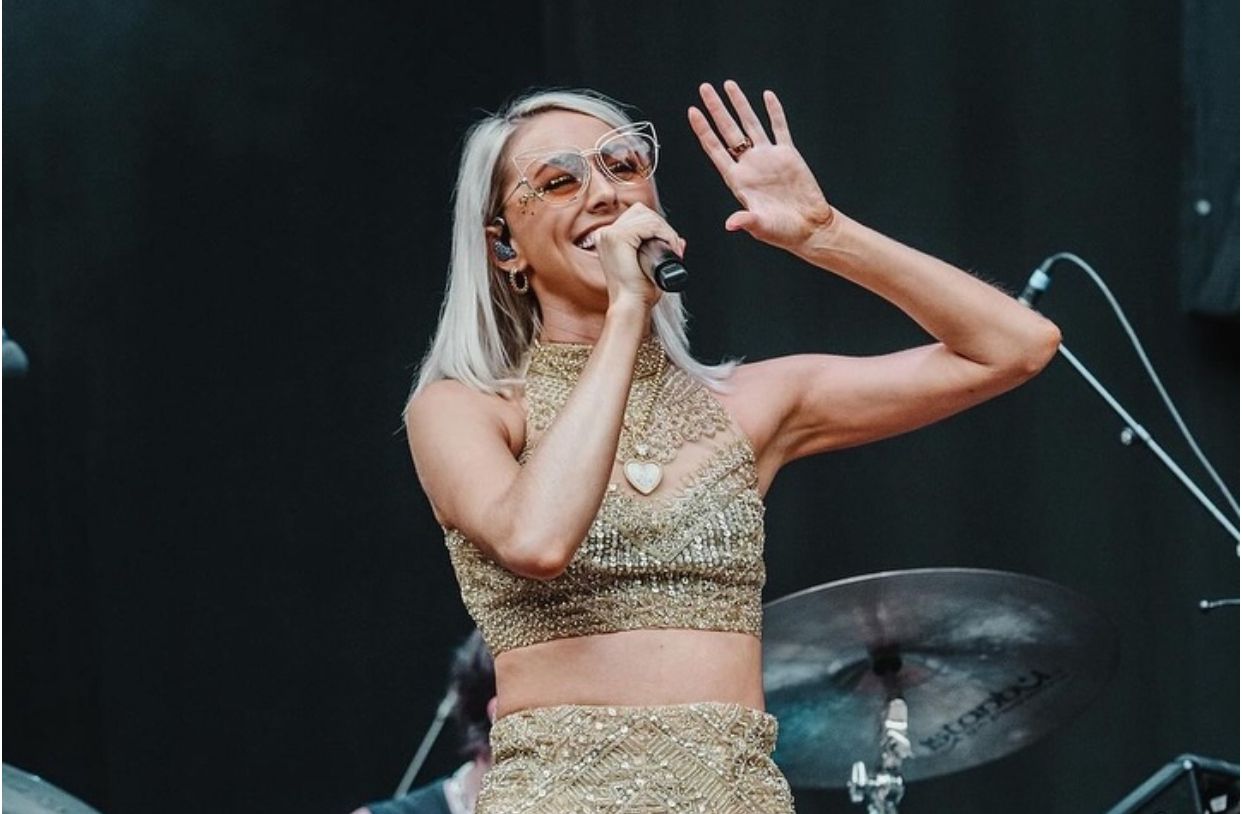
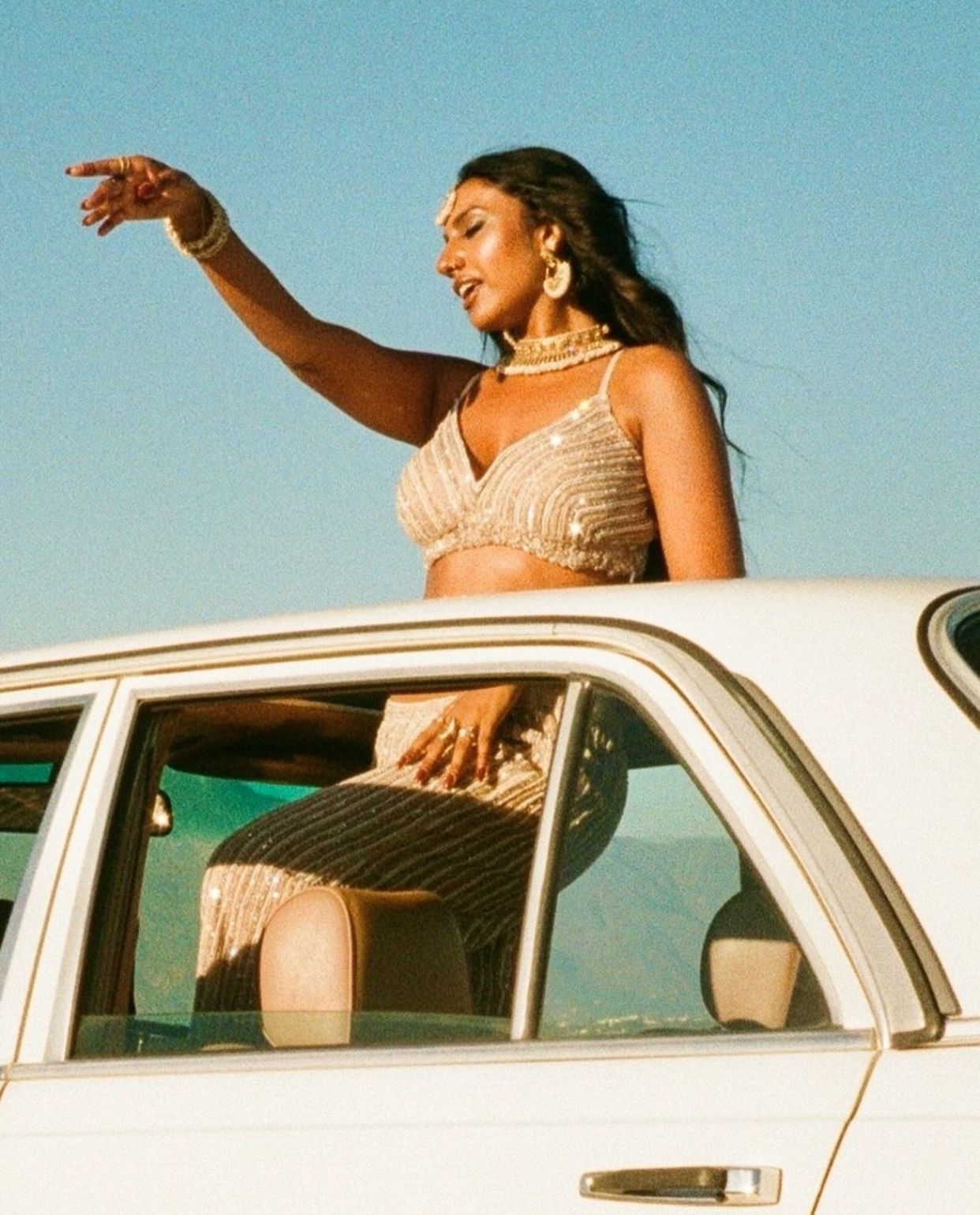

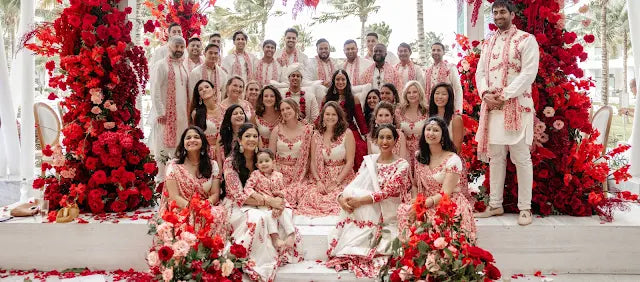

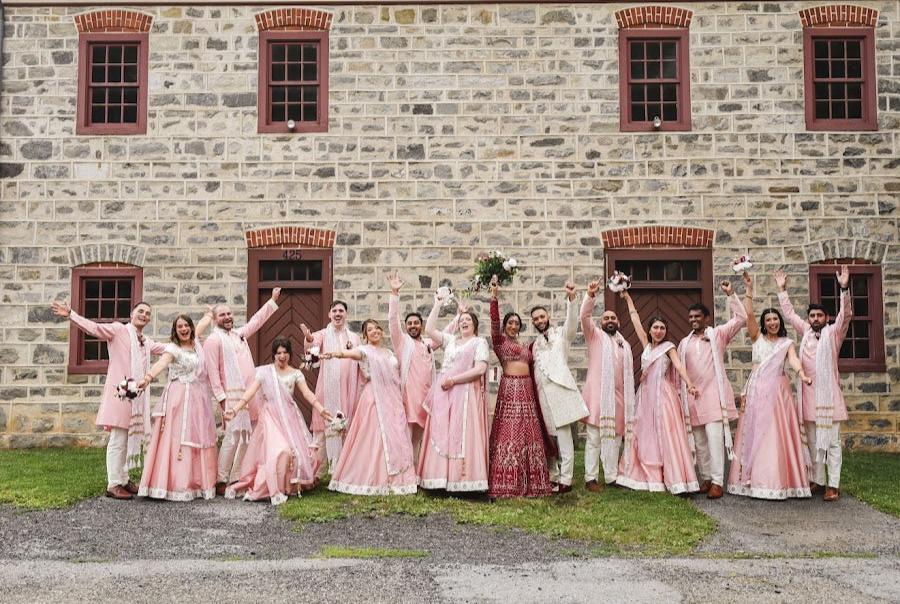
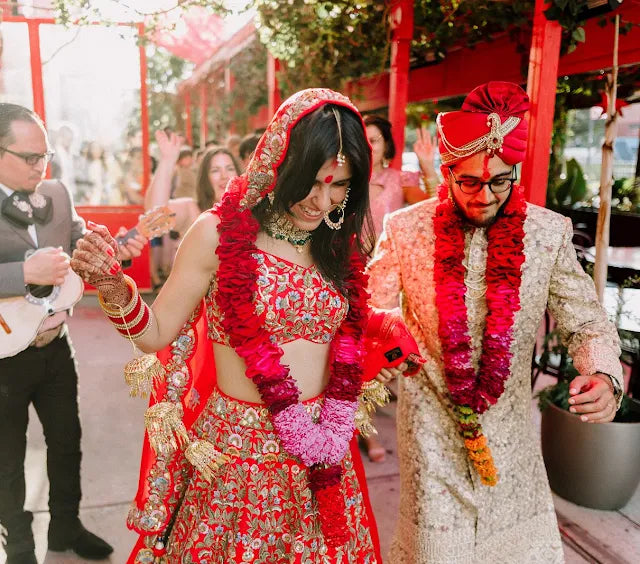
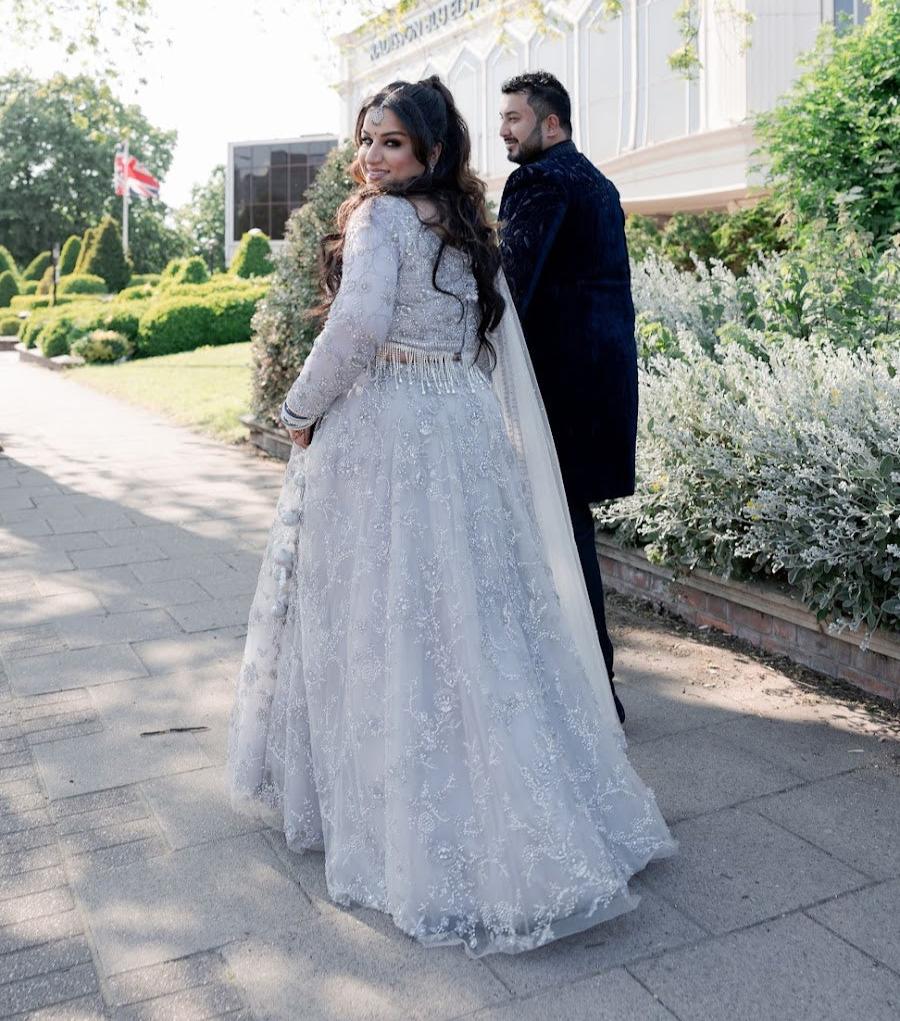
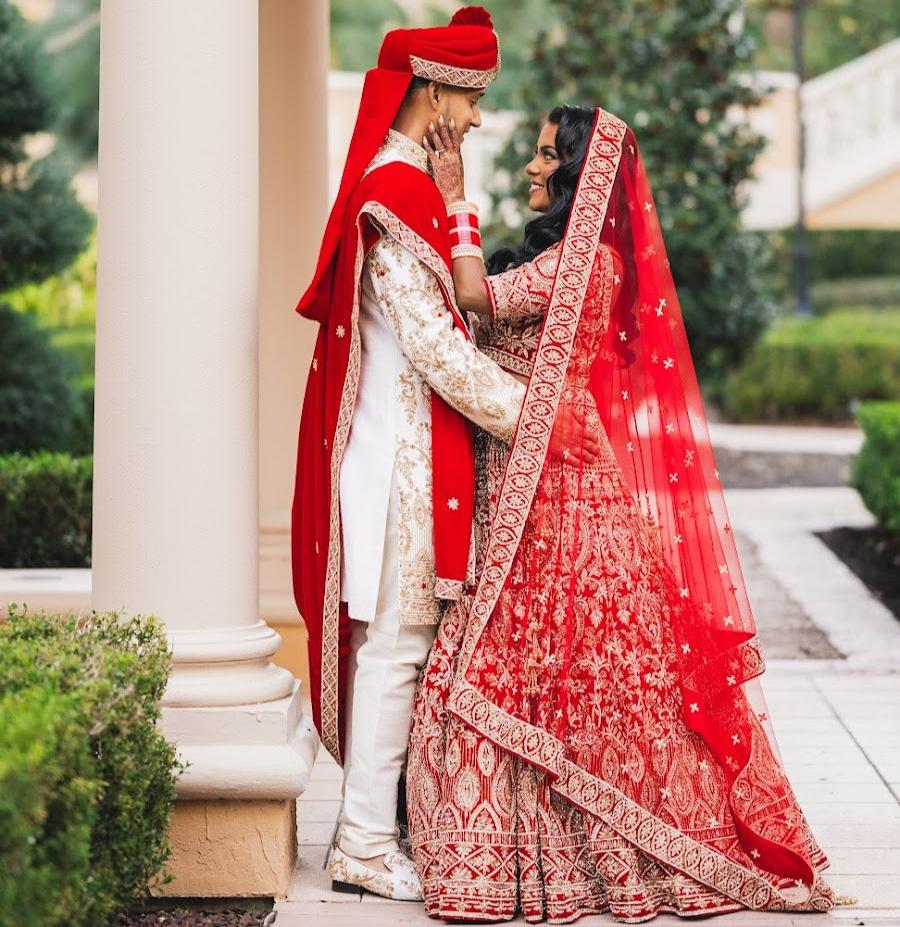
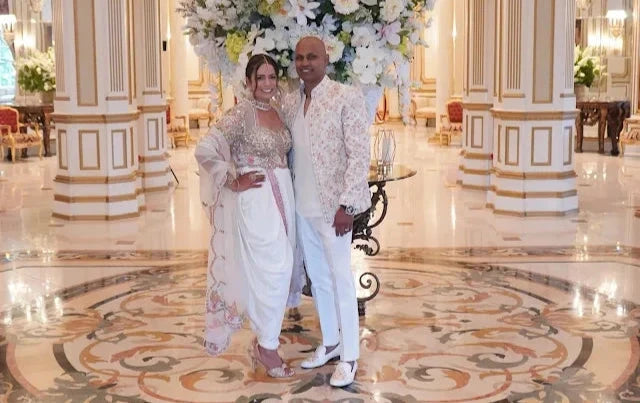
Banarasi sarees from Nazranaa are heirloom-quality handloom and artisanal silk drapes crafted in Varanasi, India, renowned worldwide for their lustrous pure silk bases, intricate brocade weaving, and opulent metallic zari borders. Originating centuries ago as imperial court wear for Mughal royalty, the Banarasi saree is celebrated for its dense floral jaals, delicate butis, architectural shikargah motifs, and expansive pallus (aanchals). Nazranaa’s curated collection showcases pure Katan silk wedding weaves, lightweight Khaddi georgette drapes, shimmering Kora organza fabrics, and vibrant Minakari brocades. Whether you are dressing as a traditional bride in royal vermillion, styling an elegant pastel saree for a wedding reception, or attending a festive Diwali celebration, each piece is sourced with uncompromising authenticity and backed by custom blouse tailoring and fall/pico finishing at our New Jersey flagship showroom.
Heritage Weaves and Banarasi Fabric Varieties
The texture, drape, and visual weight of an authentic Banarasi saree are defined by its silk yarn composition and weaving technique:
-
Pure Katan Silk Banarasi Sarees: The hallmark of Varanasi silk weaving. Katan is woven by twisting pure mulberry silk filaments into sturdy, lustrous warp and weft yarns. This produces a smooth, structured fabric with an unmistakable royal sheen that holds crisp, elegant pleats—the premier choice for traditional Hindu, Bengali, and North Indian bridal ceremonies.
-
Khaddi & Chiffon Georgette Banarasis: Woven with tightly twisted silk yarns, Khaddi georgette offers a textured, fluid drape that clings naturally to the body without stiffness. Embellished with brushed silver or antique gold zari, it provides effortless movement and lightweight comfort for Sangeet nights, evening cocktail hours, and summer weddings.
-
Kora Silk (Organza) Sarees: A sheer, crisp plain-weave silk fabric that delivers structural volume and an ethereal translucent finish. Woven with delicate floral vines and resham threadwork, Kora silk sarees are a refined choice for daytime celebrations, outdoor garden ceremonies, and pre-wedding pujas.
-
Tanchoi Silk Sarees: Characterized by an intricate, satin-smooth weave where the patterning is created entirely with colorful silk weft threads rather than metallic zari. Tanchoi weaves feature delicate floral, paisley, and bird motifs that remain soft and lightweight against the skin, ideal for extended festive wear.
-
Tussar Silk Banarasi Sarees: Combining the rich metallic brocade of Varanasi with the textured, earthy golden sheen of wild Tussar silk. These sarees offer a distinctive matte-luster contrast suitable for cultural galas and daytime receptions.
The Art of Zari and Weaving Techniques
Authentic Banarasi brocades are differentiated by the way patterns are woven into the silk foundation:
|
Weaving Technique / Fabric |
Structural Feel & Drape |
Motifs & Zari Finish |
Best Occasion & Season |
|
Kadhwa Weave (Katan Silk) |
Heavy, structured, standalone motifs with no floating threads on reverse |
Antique matte gold or silver zari; hand-woven minakari accents |
Traditional wedding ceremony, bridal Pheras, winter galas |
|
Fekwa / Cutwork Weave |
Medium weight, fluid pleats with clipped threads on the reverse |
Continuous floral jaals, paisleys, and trailing vines |
Receptions, family weddings, Diwali and festive pujas |
|
Khaddi Georgette |
Soft, body-contouring, airy and lightweight drape |
Fine brush-finish gold or silver metallic floral sprays |
Sangeets, summer destination weddings, cocktail receptions |
|
Kora (Organza) Silk |
Crisp, architectural silhouette with translucent body |
Shimmering zari borders with delicate tonal threadwork |
Daytime outdoor weddings, morning Anand Karaj, temple rituals |
In a traditional Kadhwa weave, each motif is hand-engraved and woven individually on the loom without loose threads running across the back of the saree. In contrast, the Fekwa (cutwork) method weaves threads continuously across the width of the saree, with the excess thread neatly trimmed on the reverse side.
How to Choose Your Banarasi Saree: Color & Ceremony Guide
Selecting the right Banarasi saree requires balancing regional ceremonial traditions with fabric weight and lighting:
1. Traditional Bridal Ceremonies (Pheras & Sindoor Daan)
Classic scarlet red, crimson, rani pink, and deep maroon Katan silk sarees woven with heavy gold zari remain the definitive bridal choice across South Asian weddings. These saturated jewel tones symbolize marital prosperity and pair naturally with traditional gold or Jadau neckpieces from our Indian Bridal Jewelry collection.
2. Contemporary Pastel & Metallic Palettes
For modern brides and wedding guests, shades of champagne gold, powder blue, sage green, lavender, and peach provide a fresh aesthetic. Soft pastels allow the intricacy of the silver and gold metallic brocade to shine under natural daytime lighting without visual heaviness.
3. Grand Receptions & Evening Galas
Jewel-toned emerald green, royal sapphire, deep aubergine, and midnight black Banarasi sarees create striking contrast under ballroom chandeliers. Choosing a saree with an opulent shikargah (wildlife and floral hunting scene) or a continuous jangla jaal delivers dramatic stage presence.
4. Coordinating with the Groom
To create unified wedding portraits, harmonize the metallic accents of your saree with your partner’s ensemble. A bride in an emerald or rani pink Banarasi saree can pair seamlessly with a groom wearing an ivory coat accented by a matching silk pocket square, stole, or safa from our Men's Accessories collection, or an embroidered Men's Sherwani.
Blouse Styling, Draping & Silhouette Proportions
The blouse neckline, sleeve length, and draping method directly influence how a heavy Banarasi saree complements your frame:
-
Blouse Architecture & Necklines: Because an authentic Banarasi saree features an opulent, heavily patterned pallu, pair it with a tailored blouse that provides visual balance. Deep sweetheart necklines, classic wide scoops, and elbow-length sleeves with matching woven zari borders accentuate the traditional silhouette without crowding the collarbone.
-
Pleat Placement for Structured Silk: When draping a structured Katan silk saree, press each pleat cleanly by hand before tucking it into the underskirt waistband. Keep pleats between 5 and 6 inches wide to ensure the skirt falls flat and straight down the torso rather than flaring out at the waist.
-
Pallu Draping Styles: A classic floating open pallu pinned at the shoulder showcases the full grandeur of a heavy zari aanchal, making it the preferred drape for formal photography and receptions. For active celebrations or temple rituals, pleating the pallu tightly and pinning it at the shoulder keeps your hands free while displaying your blouse sleeves and Earrings with Tikka.
-
Footwear Height & Saree Hem: Always wear your event heels when tucking in the first wrap of your saree. The bottom border should hover approximately 0.25 to 0.5 inches above the floor, fully concealing your footwear while ensuring you do not step on the delicate zari hemline while walking.
In-Store Draping, Fall/Pico & Custom Blouse Stitching in NJ
Preparing an authentic Banarasi saree for a wedding requires specialized finishing:
-
Fall & Pico Finishing: Pure silk Banarasi sarees are unhemmed when taken off the loom. Nazranaa provides in-house fall stitching (sewing a protective 5-inch cotton lining along the inside bottom border to add weight and protect the edge from heels) and pico edge-finishing along both ends of the saree.
-
Custom Blouse Tailoring: Every Banarasi saree includes an unstitched 80cm to 1-meter running blouse piece. Nazranaa’s master tailors at our Oak Tree Road boutique in Iselin, New Jersey, construct made-to-measure blouses complete with bust padding, cotton lining, custom necklines, and back tassel ties (doris).
-
In-Person Showroom Consultations: Visit our New Jersey showroom to feel the weight of pure Katan silk versus airy Khaddi georgette, test drape styles, and coordinate matching jewelry under authentic ballroom and daylight settings.
Banarasi Silk Care & Heirloom Preservation
An authentic pure silk Banarasi saree is an heirloom that can last for generations when cared for properly:
-
Dry Clean Only: Never hand-wash or machine-wash an authentic Banarasi saree. Water can distort pure silk filaments and tarnish metallic zari threads.
-
Refold Periodically: Zari threads woven into pure silk can weaken or crack along sharp fold lines if left undisturbed for years. Unfold your saree every 4 to 6 months, let it air out in a shaded room for an hour, and refold it along different crease lines.
-
Store in Pure Muslin: Avoid storing silk sarees in synthetic plastic bags, which trap ambient moisture and accelerate zari oxidation. Wrap each saree individually in a soft, unbleached cotton or muslin cloth inside a dark, temperature-controlled closet.
-
Ironing Cautions: Never place a hot iron directly onto metallic zari or pure silk. Always iron on the reverse side of the fabric using a low silk setting with a thin cotton cloth placed between the iron and the saree.
Reliable US Domestic Shipping & Boutique Pickup
Nazranaa manages and fulfills all saree orders directly from our New Jersey flagship showroom. Ready-to-wear in-stock Banarasi sarees dispatch within 1 to 2 business days via secure, insured domestic couriers, arriving within 2 to 4 business days along the East Coast and 4 to 6 business days on the West Coast. Expedited shipping upgrades and immediate in-store pickup on Oak Tree Road in Iselin are available for approaching celebrations. Orders requiring custom blouse stitching or fall and pico finishing require an estimated 5 to 10 business days of tailoring lead time prior to dispatch.
Frequently Asked Questions
How can you tell if a Banarasi saree is pure silk?
To verify if a Banarasi saree is crafted from pure silk, inspect the reverse side of the weave, check for the official Silk Mark label, and perform a burn test on a loose thread. An authentic handloom Banarasi exhibits fine warp and weft intersections with woven floats on the reverse. When burned, pure silk burns slowly with the smell of singed hair and leaves a crumbly black ash, whereas synthetic polyester melts into a hard plastic bead.
What is the difference between Katan and Georgette Banarasi sarees?
A Katan Banarasi saree is woven from tightly twisted pure mulberry silk yarns, resulting in a crisp, structured fabric with an opulent, regal sheen that holds sharp pleats. A Georgette (Khaddi) Banarasi saree uses crinkled silk yarns to produce a soft, semi-sheer, body-hugging drape that offers fluid movement and lightweight comfort for warm-weather celebrations.
Does a Banarasi saree come with a blouse piece?
Yes, authentic Banarasi sarees from Nazranaa include an unstitched matching running blouse piece measuring approximately 80 centimeters to 1 meter in length, attached at the inner end of the saree. The blouse fabric is woven with matching border selvedges and coordinating zari motifs, ready for custom tailoring.
Why do you need a fall and pico for a Banarasi saree?
A fall is a 5-inch wide strip of soft cotton fabric stitched along the inside hemline of a saree to add weight, help pleats fall evenly, and protect the delicate silk and zari from heel friction. Pico is a neat, narrow overlock stitch applied to the raw cut edges of the pallu and inner end to prevent the silk threads from unraveling.
Does Nazranaa provide blouse stitching and fall/pico services in New Jersey?
Yes, Nazranaa provides in-house fall, pico, and custom blouse tailoring services at its flagship boutique on Oak Tree Road in Iselin, New Jersey, as well as for online orders. Our master tailors adjust blouse necklines, add padded linings, and tailor sleeve lengths to your exact measurements before your saree is dispatched.



